In this article below you'll find a lot of extremely good tips relating to Broken Water Heaters.
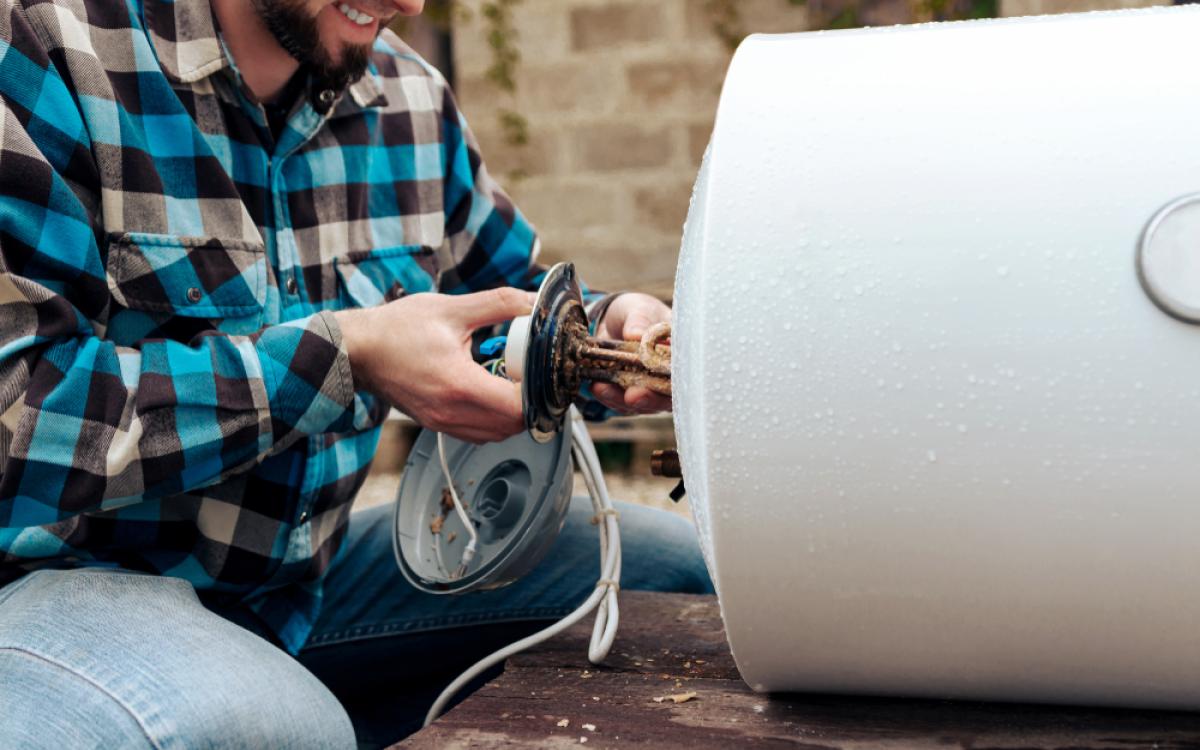
Whether it is situated in the basement or a separate space, broken water heating units can trigger stress and anxiety. Having no hot water supply is likewise frustrating.
Shut Off Power Source
Prior to calling the plumber, shut down a gas water heater by turning the temperature dial. This is usually found on top of the thermostat. Switch off the circuit breaker if you have a design that runs on electrical power. This will avoid electrocution, specifically if there is a leak as water is a conductor. Normally, the heating element turns off when the water hits a particular temperature level. With a broken tank, it may malfunction. Cutting it off ensures you remain safe.
Cut Off the Cold Water Supply
Cut off the storage tanks touch water supply from the source. When your tank is in great condition, the cold water quits filling up when the tank is complete. If you can not find it or reach it, you have to turn off that primary water supply line outside your residential property.
Call the Plumber
After doing the first 2 security steps, you have to call your plumber to find immediately to repair a fractured hot water heater. Nonetheless, keep in mind that your device will not simply collapse drastically overnight. There are normally indicators that your aging water heater has debris build-up in the interior. Make note of the following:
Rather, as quickly as you find these indications, have an expert come to examine your water heating unit give thanks to. Typically, water heaters have a lifespan of about 8 to 12 years.
Clean Up Home
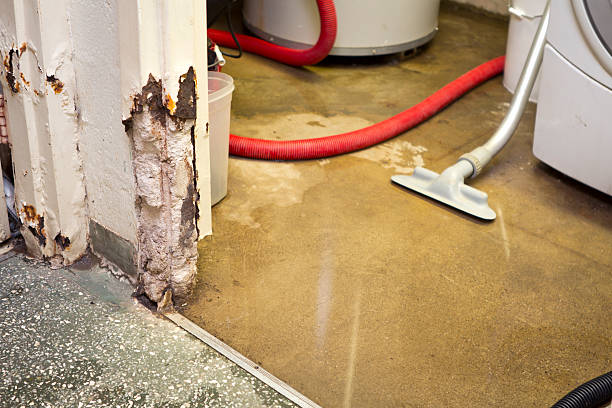
After calling the plumber, paper damages by taking notes and also pictures so you can declare your homeowner's insurance. Eliminate any standing water to stop mold and also mildew development. If you have a submersible water pump, make use of that to drain the water.
Keep in mind, if you see any concerns with your water heater, call the pros right away. You can not take this issue gently due to the fact that a defective thermostat can increase water temperature to a hazardously high level, leading to unexpected burns.
Whether it is situated in the cellar or a separate space, busted water heating systems can create stress. Before calling the plumber, shut off a gas water heating unit by turning the temperature level dial. After doing the initial two safety steps, you have to call your plumber to come right away to deal with a ruptured water heater. If you have a submersible water pump, utilize that to drain pipes the water. Keep in mind, if you observe any concerns with your water heating system, call the pros right away.
Water Heater Burst: Why This Happens And What To Do Next
When a water heater bursts in a home, it is a shocking event, not to mention a messy one, and it could potentially cause a lot of expensive damage. If your hot water heater burst, you’re probably wondering why this happens and what to do next.
In general, the basic reason why hot water heaters burst is that there is corrosion within the tank, which can lead to the tank bursting at its seams. Unfortunately, there are several possible underlying causes that can contribute to water heater explosions, and it’s not always apparent which one is the culprit.
Sometimes there are risk factors or warning signs that could indicate a water heater explosion is imminent, but not always. In order to understand the risk factors that could contribute to a water heater exploding, it’s important first to understand the type of water heater that you have in your home.
Water Heater Explosion Warning Signs
Since storage water heaters are made of metal and store large volumes of heated water, they carry an increased risk of leaking or even exploding as they begin to rust at the fittings and seams over time. If the thermostat controlling the water temperature within the tank is faulty, or if mineral buildup inside the water heater prevents the thermostat from sensing the water’s temperature correctly, the water could become overheated. This will expand its volume within the tank, causing it to press at the tank’s fittings and seams. If these fittings and seams are rusted or corroded, the pressure could result in a leak or even an explosion.
Here are some risk factors and warning signs of an increased risk of water heater leak or explosion:
Your water heater is more than 10 years old. Your water heater makes clanking, banging or rumbling noises as it heats up, indicating that sediment has built up and hardened inside the tank. There is visible rust on the outside of the water heater, especially located at the pipe fittings or the seams that run down the tank. There is rusty water coming from your water heater, indicating that there may be rust building up inside. Your water heater is leaking, which could indicate either a crack somewhere in the tank or a malfunctioning temperature-and-pressure (T&P) relief valve. It’s important to note that water heater leaks aren’t always serious, and don’t always mean the tank might explode, or even that it needs to be replaced. If there is a leak in the water supply lines, for example, which lead into the top of the heater, this is a problem that is relatively easily fixed, and which is unlikely to contribute to a water heater bursting.
Another, similarly uncomplicated and fixable source of water heater leaks is a leak at the water heater nipples; these are located at the top of the water heater, where they connect the water pipes to the heater itself. If the T&P valve is leaking, it may need replacing or may indicate a larger problem. If the water tank itself is leaking, however, it isn’t fixable, and the whole tank will need to be replaced.
https://www.abchomeandcommercial.com/blog/water-heater-burst/
We had been introduced to that write-up on Broken Water Heaters from an acquaintance on our other blog. I beg you take a moment to distribute this blog posting if you enjoyed reading it. Many thanks for your time. Visit us again soon.
Instant Quote